
 Australian Dollar
Getting the RIGHT Area Rug
12 May 2014
Planning considerations: Ask yourself what purpose you'd like your area rug to serve. The size should be chosen carefully to ensure it's a good fit with your room size and the placement of furniture. Look for colours and patterns that complement your existing décor and a rug material that performs well based on your room's foot traffic.
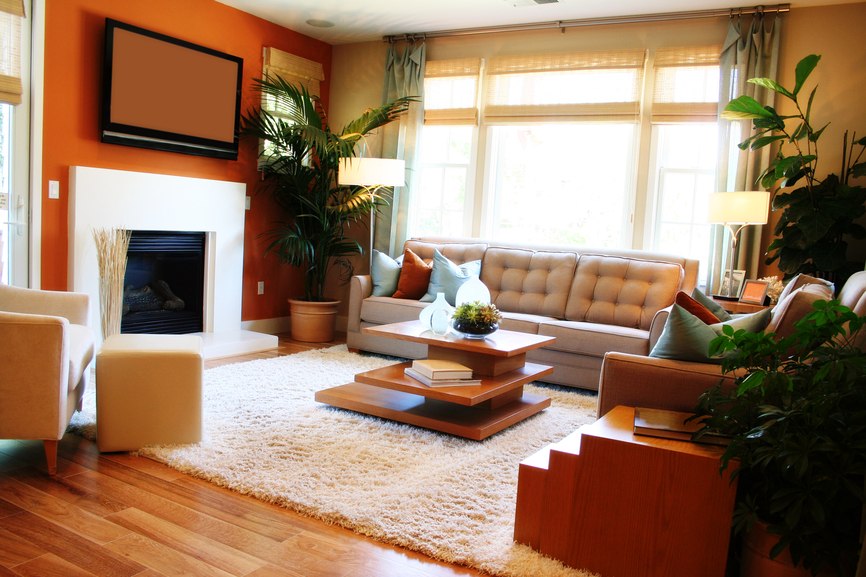
Rug pads: Every area rug should be purchased with a corresponding rug pad (rug gripper). Just like carpet padding, rug pads help extend the life of your rug by keeping it in place while providing extra cushioning and insulation. They also prevent moisture and spills from seeping through the carpet and staining the floor.
Area rug fibers: Area rugs can be made from natural or synthetic fibers, which help to determine softness, colour and resiliency. Choosing either a natural or synthetic fiber depends on the style of the rug you want, how much traffic you expect to have in the area and price point. However if possible invest in a quality wool rug, or a woolen blend.

Patterns and style: Area rugs are akin to artwork for your floors. They come in an endless array of patterns, styles and shapes, with options to match any décor. Buying an area rug should be based, in part, on gut instinct. Keep an open mind and you'll be sure to find an area rug that's both attractive and purposeful.
How to place a rug? Make sure that the two front legs of each piece of furniture sit on the rug, otherwise the rug will look like it's floating.
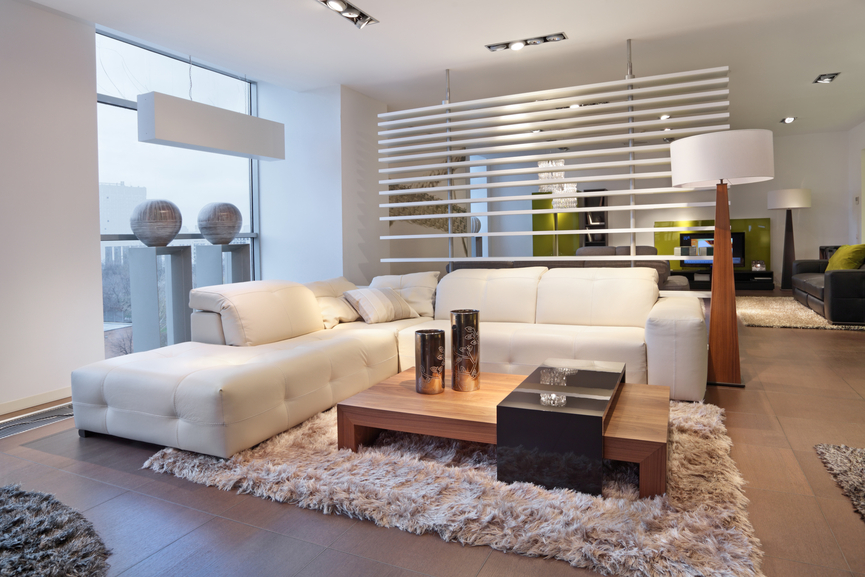
Be sure to measure a room before making your area rug purchase to avoid a poor fit. Here are some sizing tips:
- Scatter rugs and mats are typically 2' x 4' and are used in bathrooms and kitchens as well as entryways. Place these rugs in foyers and entryways to help protect floors from dirt and moisture.
- Runners are long, narrow rugs that are perfect for hallways and areas such as foyers and kitchens where you want to define traffic flow.
- Use 90cm x 150cm (3' x 5') or 120cm x 180cm (4' x 6') accent rugs to define nooks or other special areas.
- Mid-size rugs are most commonly found in 150cm x 240cm (5' x 8') or 180cm x 270cm (6' x 9') sizes. These are ideal for general decorating purposes in offices, living rooms and family rooms to provide a stylish accent, group together pieces of furniture, and add comfort and warmth to the floor.
- Your area rug should be proportionate to your floor space. To cover larger rooms, look for rugs that are 240cm x 330cm (8' x 11'), 270cm x 360cm (9' x 12',) 300cm x 390cm (10' x 13') or bigger. Furniture should lie on top of the area rug, helping to visually define your living space. with a two-foot border of bare floor around the room to help anchor the setting. Measure the room's width and length and then subtract 60cm to 90cm (2' to 3') from each dimension. This is the ideal size to aim for.
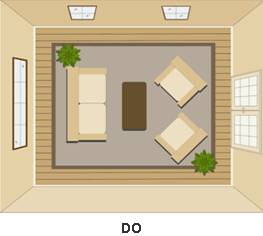
To figure out your ideal rug size, measure the room’s width and length, then subtract two to three feet from each dimension. The result is what you should aim for.
A good rule of thumb when deciding where to put a rug: Make sure at least the front two legs of each piece of furniture in the space sit on the rug. Otherwise it will look like it’s floating.
A good rule of thumb when deciding where to put a rug: Make sure at least the fron