
 Australian Dollar
Switch to LED Lighting - but beware of inferior products
27 Dec 2013
There are many forms and types of LED lighting - and a lot of the heavily marketed LED globes will not meet your expectations in the long term. Therefore, it is worth taking a minute to understand the basics of how LED works. Then you will be more informed about what type of LED light source is best for you.
Most people now understand the key benefits of LED:
LED is short for Light Emitting Diode. It is essentially a wafer thin electrical chip that is yellow in colour. When the appropriate current is passed through the LED it will produce light. In recent years manufacturers have perfected the quality and colour of light that is produced by the LED. There are two very important requirements for an LED:
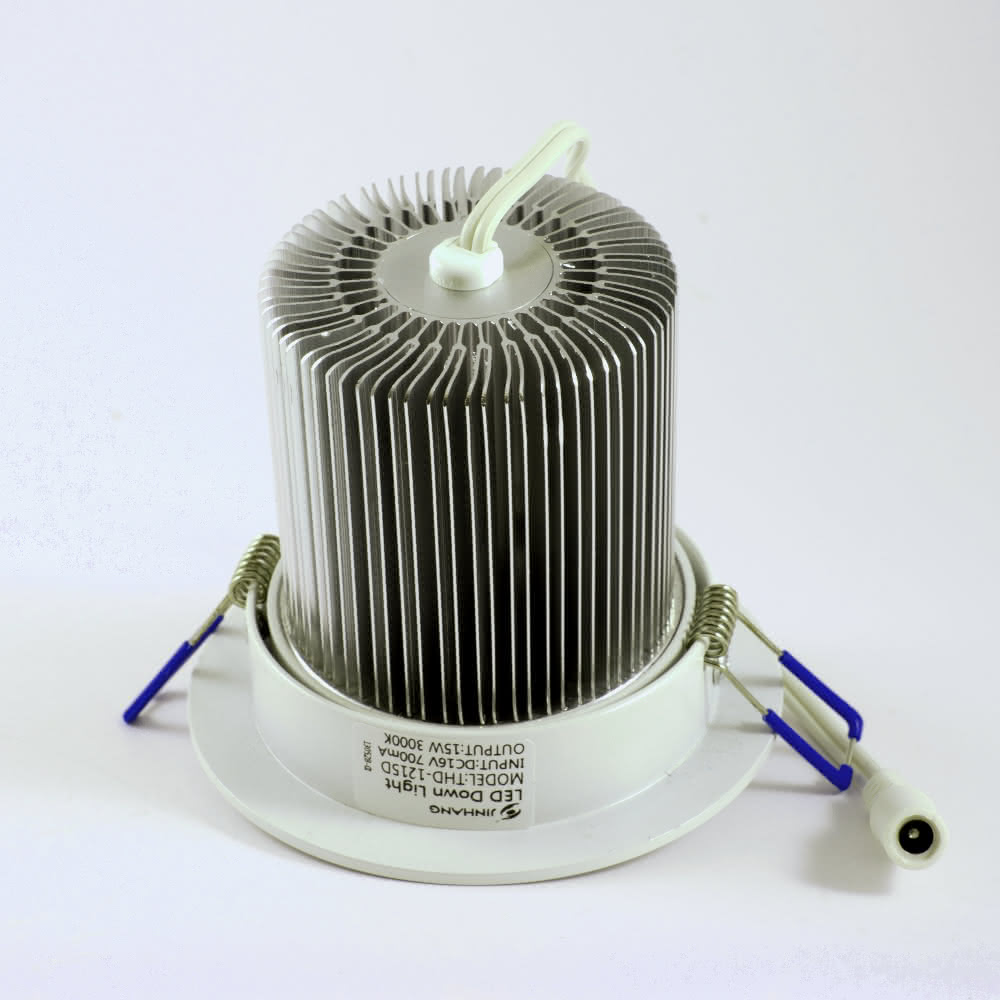 A heat sink is required to dissipate heat away from the LED. Even though LED lights operate at temperatures far lower than traditional halogen and incandescent luminaries, a few degrees cooler can add many years of lifespan to the LED. Generally a larger better designed heat sink will offer significantly more lifespan.
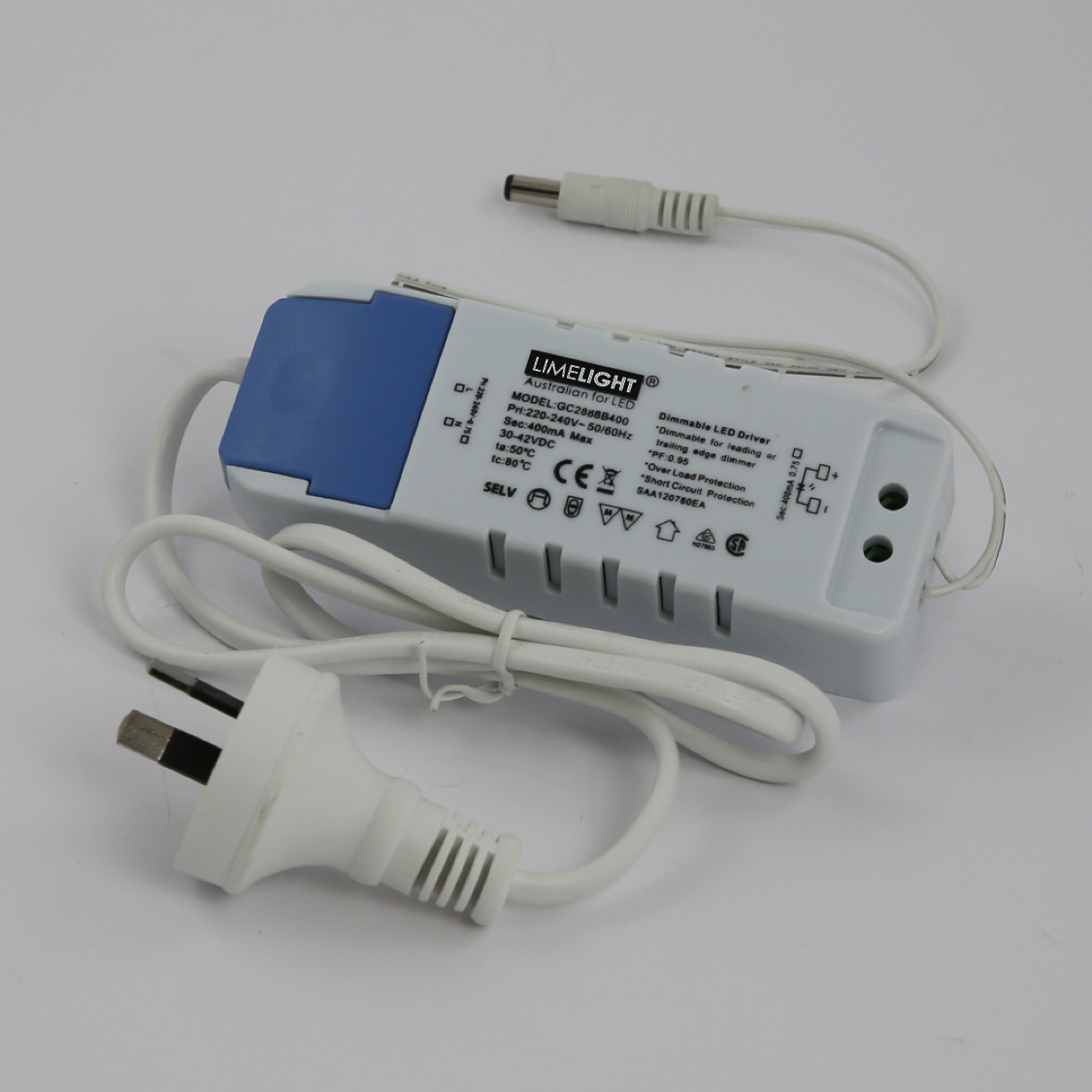
Correct power is essential for an LED light to perform properly and last. LED is a low voltage chip so a transformer (also called a Driver) is required to convert household power to the correct volts and amps required. Ideally, every LED light source requires a specific matched driver designed for its LED chip.
These two components of an LED light source are probably the most important to consider when assessing quality. And when it comes to "power" it is also about compatibility - there is no point plugging a high quality LED light into a high quality low-voltage driver unless they have been manufactured to match. Incompatibility will cause performance problems and reduction in life-span. That is why "LED light kits" are recommended by electricians as they come as a matched kit.
The rest of the LED light is really style and design. Considerations include its shape, size, beam angle, light colour, and the light frame it housed in.
When you understand that a properly designed LED house light should last 50,000+ hours (that is 25+ years at average use), there is no need to have a "replaceable" globe as the light is essentially permanent. The problem with fitting LED technology into the shape of a globe is that it cannot dissipate heat effectively and therefore its LED chip cannot be big (bright) and and its durability will be severely compromised. And the problems will probably start soon after the short warranty period is over!
A LED light is only as good as its weakest component, and the the heat-sink or power source are two areas worth close scrutiny. Let's look at the at the type of LED light sources and consider how they rate for heat sinking and power, and overall performance:
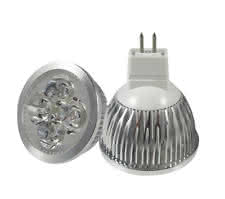 Use: Used to replace MR16 halogen globes. Simple retro-fit change of globe. Heavily marketed as a LED solution.
Heat sink: Poor. Heat-sink is integrated and restricted to the size of a globe. Therefore LED gets too hot which reduces lifetime.
Power: Poor. Does not come with matched driver so it is plugged into existing halogen driver
Performance: Poor. Low lifetime (can be as short as 6 months). As it is plugged into an incompatible halogen driver it will lose performance quickly. Low brightness. Usually not dimmable.
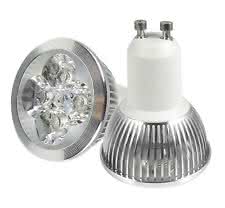 Use: Used to replace GU10 halogen globes. Requires a 240V GU10 light fitting installed by electrician.
Heat sink: Poor. Heat-sink restricted to the size of a globe. Globe gets too hot which reduces lifetime.
Power: Reasonable. Has a driver built into globe (inside white casing). This generates extra heat reducing lifetime.
Performance: Reasonable. Low lifetime due to extra heat and small heat-sink. Higher risk as plugs into 240V power. Low brightness. Usually not dimmable.
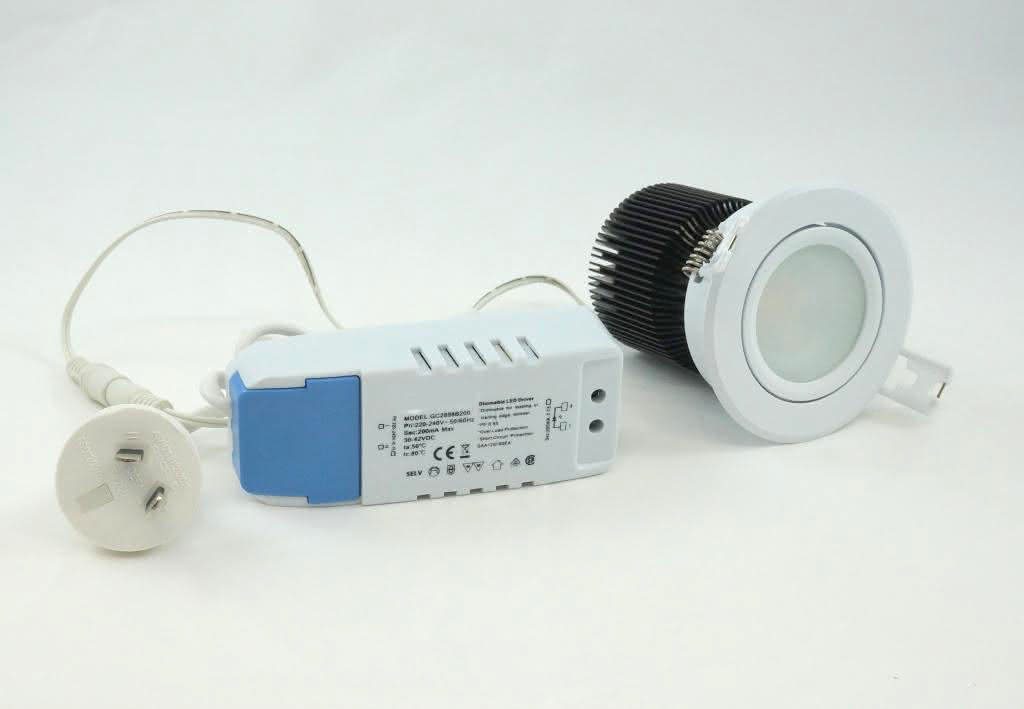 Use: Replaces the entire light fitting and fascia. Separate LED driver and power plug. Can be purchased in any size / brightness.
Heat sink: Good. Large heat sink size to keep the light running at low temperatures. Protects the performance and lifespan of the LED chip.
Power: Good. Includes a driver matched to the LED chip (exact voltage and amps). As it is separate the heat of the driver does not affect the LED.
Performance: Good. Very long lifetime due to low heat. LED driver designed for Australian power and dimmers.
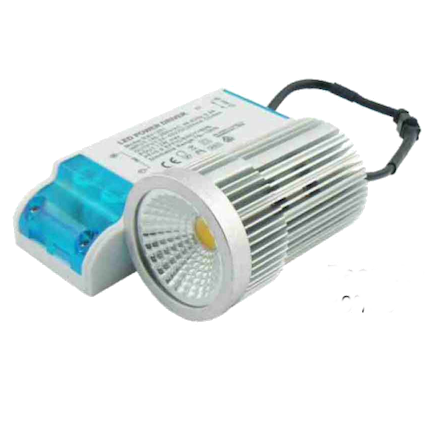 Use: Replaces the entire light fitting other than fascia. Separate LED driver and power plug. Size is set to fit into typical halogen fascia.
Heat sink: Reasonable. Elongated heat sink size to lower operating temperature. Protects the performance and lifespan of the LED chip.
Power: Good. Includes a driver matched to the LED chip (exact voltage and amps). As it is separate the heat of the driver does not affect the LED.
Performance: Reasonable. Reasonable lifetime due to low heat. LED driver designed for Australian power and dimmers.
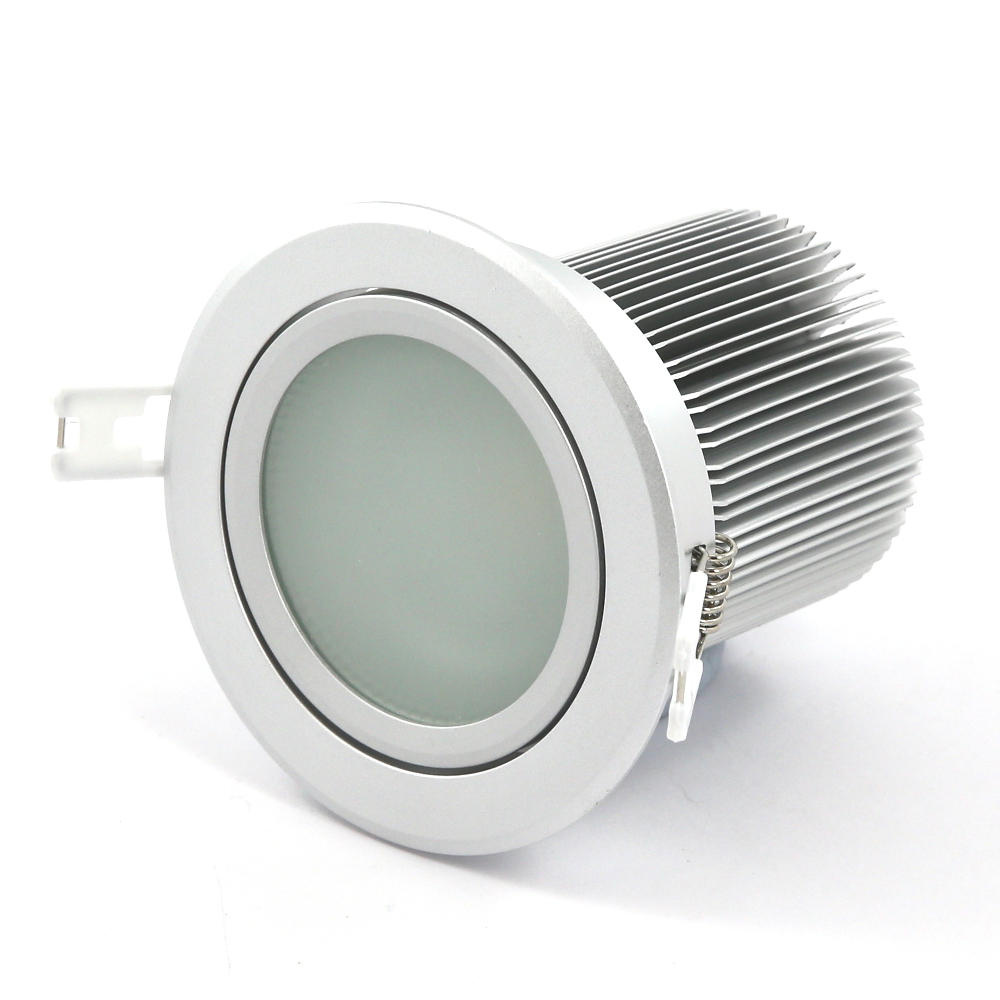
Clearly the integrated LED light kits with their larger heat-sinks and separate matched drivers are the far better choice. Their performance is un-matchable by LED globes.
Only with an integrated LED light will you get ALL the promised benefits of LED: the power savings, the high brightness, and the longevity.
When you switch to LED it is far better to do it properly and enjoy the benefits for the long term. Quality integrated LED down-lights usually pay for themselves in less than 2 years (see our separate article on this) and are not expensive to get an electrician to install (about $5 to $8 per light - see our separate video article on this).
Many electricians are reporting that LED globes, even the premium ones, are losing their luminosity (brightness) at a rapid rate. Then again, when you plug a 4 watt globe into a halogen driver designed to deliver 50 watts you can expect issues.
As MR16 LED globes are low voltage products, they technically do not need to meet the strict Australian Standards for electrical products. This means the Australian market has been flooded with cheap LED globes that have not had any testing for Australian conditions or safety. They can be purchased cheaply (as low as A$4 each on ebay!) but when they are plugged into your power system they often do not exhibit the luminosity promised, their performance can be highly variable, their heat output can be high, their durability is difficult to judge, and at worst they can be unsafe. So beware of claims of high brightness and longevity with LED globes - their size restricts their brightness and the longevity substantively.
Most people now understand the key benefits of LED:
- Large electricity savings vs traditional globes
- Long lifetime
- Greatly reduced fire risk
LED is short for Light Emitting Diode. It is essentially a wafer thin electrical chip that is yellow in colour. When the appropriate current is passed through the LED it will produce light. In recent years manufacturers have perfected the quality and colour of light that is produced by the LED. There are two very important requirements for an LED:
A heat sink is required to dissipate heat away from the LED. Even though LED lights operate at temperatures far lower than traditional halogen and incandescent luminaries, a few degrees cooler can add many years of lifespan to the LED. Generally a larger better designed heat sink will offer significantly more lifespan.Correct power is essential for an LED light to perform properly and last. LED is a low voltage chip so a transformer (also called a Driver) is required to convert household power to the correct volts and amps required. Ideally, every LED light source requires a specific matched driver designed for its LED chip.
These two components of an LED light source are probably the most important to consider when assessing quality. And when it comes to "power" it is also about compatibility - there is no point plugging a high quality LED light into a high quality low-voltage driver unless they have been manufactured to match. Incompatibility will cause performance problems and reduction in life-span. That is why "LED light kits" are recommended by electricians as they come as a matched kit.
The rest of the LED light is really style and design. Considerations include its shape, size, beam angle, light colour, and the light frame it housed in.
The concept of the globe is becoming obsolete
When you understand that a properly designed LED house light should last 50,000+ hours (that is 25+ years at average use), there is no need to have a "replaceable" globe as the light is essentially permanent. The problem with fitting LED technology into the shape of a globe is that it cannot dissipate heat effectively and therefore its LED chip cannot be big (bright) and and its durability will be severely compromised. And the problems will probably start soon after the short warranty period is over!
A LED light is only as good as its weakest component, and the the heat-sink or power source are two areas worth close scrutiny. Let's look at the at the type of LED light sources and consider how they rate for heat sinking and power, and overall performance:
MR16 LED globe
Use: Used to replace MR16 halogen globes. Simple retro-fit change of globe. Heavily marketed as a LED solution.Heat sink: Poor. Heat-sink is integrated and restricted to the size of a globe. Therefore LED gets too hot which reduces lifetime.
Power: Poor. Does not come with matched driver so it is plugged into existing halogen driver
Performance: Poor. Low lifetime (can be as short as 6 months). As it is plugged into an incompatible halogen driver it will lose performance quickly. Low brightness. Usually not dimmable.
GU10 LED globe
Use: Used to replace GU10 halogen globes. Requires a 240V GU10 light fitting installed by electrician.Heat sink: Poor. Heat-sink restricted to the size of a globe. Globe gets too hot which reduces lifetime.
Power: Reasonable. Has a driver built into globe (inside white casing). This generates extra heat reducing lifetime.
Performance: Reasonable. Low lifetime due to extra heat and small heat-sink. Higher risk as plugs into 240V power. Low brightness. Usually not dimmable.
Integrated LED light kit
Use: Replaces the entire light fitting and fascia. Separate LED driver and power plug. Can be purchased in any size / brightness.Heat sink: Good. Large heat sink size to keep the light running at low temperatures. Protects the performance and lifespan of the LED chip.
Power: Good. Includes a driver matched to the LED chip (exact voltage and amps). As it is separate the heat of the driver does not affect the LED.
Performance: Good. Very long lifetime due to low heat. LED driver designed for Australian power and dimmers.
Semi-Integrated LED light kit
Use: Replaces the entire light fitting other than fascia. Separate LED driver and power plug. Size is set to fit into typical halogen fascia.Heat sink: Reasonable. Elongated heat sink size to lower operating temperature. Protects the performance and lifespan of the LED chip.
Power: Good. Includes a driver matched to the LED chip (exact voltage and amps). As it is separate the heat of the driver does not affect the LED.
Performance: Reasonable. Reasonable lifetime due to low heat. LED driver designed for Australian power and dimmers.
Clearly the integrated LED light kits with their larger heat-sinks and separate matched drivers are the far better choice. Their performance is un-matchable by LED globes.
Only with an integrated LED light will you get ALL the promised benefits of LED: the power savings, the high brightness, and the longevity.
When you switch to LED it is far better to do it properly and enjoy the benefits for the long term. Quality integrated LED down-lights usually pay for themselves in less than 2 years (see our separate article on this) and are not expensive to get an electrician to install (about $5 to $8 per light - see our separate video article on this).
Many electricians are reporting that LED globes, even the premium ones, are losing their luminosity (brightness) at a rapid rate. Then again, when you plug a 4 watt globe into a halogen driver designed to deliver 50 watts you can expect issues.
Australia has been flooded with inferior LED globes
As MR16 LED globes are low voltage products, they technically do not need to meet the strict Australian Standards for electrical products. This means the Australian market has been flooded with cheap LED globes that have not had any testing for Australian conditions or safety. They can be purchased cheaply (as low as A$4 each on ebay!) but when they are plugged into your power system they often do not exhibit the luminosity promised, their performance can be highly variable, their heat output can be high, their durability is difficult to judge, and at worst they can be unsafe. So beware of claims of high brightness and longevity with LED globes - their size restricts their brightness and the longevity substantively.